
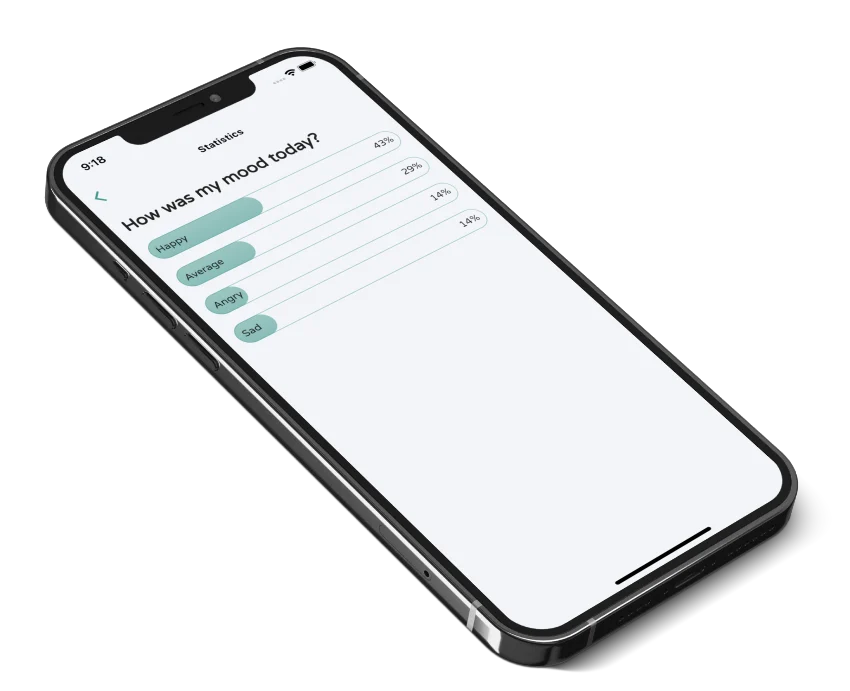
The quantified self is the practice of recording parts of your everyday life—such as sleep, mood, movement, focus, or habits—so you can understand your own patterns. It is often described as “self-knowledge through numbers,” but useful personal tracking does not have to turn your life into a spreadsheet.
At its best, the quantified self is not about maximizing every hour. It is about replacing vague impressions with better questions.
What does quantified self mean in practice?
A quantified-self practice has three simple parts:
- Observe: capture one small piece of information consistently.
- Review: look back after enough time has passed.
- Adjust: test one gentle change and see what happens.
You might rate your energy from one to five each evening, record when you went to bed, or answer “Did I spend time outside today?” Over several weeks, isolated answers become a timeline. That timeline can reveal connections that memory tends to blur.
For example, instead of concluding “I am always tired,” you may notice that low-energy days cluster after late meals or short nights. That is not a diagnosis. It is a more precise starting point for reflection.
What should you track?
Start with a question that could change a decision. Good categories include:
- Sleep: bedtime, wake time, or perceived sleep quality
- Mood: a simple rating plus an optional note
- Energy and focus: when you feel clear, distracted, or depleted
- Habits: movement, reading, time outside, or creative work
- Context: workdays, travel, social time, or screen-free evenings
Avoid tracking something merely because your phone can measure it. If a metric will not help you reflect or act, it is probably noise.
Numbers are not the whole story
Quantitative answers are easy to compare, while words preserve context. Combining both is often more useful than choosing one.
“Mood: 2/5” tells you that the day felt difficult. “Mood: 2/5—deadline, skipped lunch, good walk after work” tells you what may have shaped it. The number makes the pattern visible; the note keeps the pattern human.
This is one reason daily journaling and self-tracking work well together. One supplies structure. The other supplies meaning.
How long should you track before reviewing?
There is no magic duration. A week may expose weekday-versus-weekend differences; a month provides a stronger view of recurring patterns. Seasonal or health-related questions may require longer.
Reviewing every day can encourage overinterpretation. Try a short weekly check-in instead:
- What repeated?
- What surprised me?
- Which context seemed to matter?
- What is one small experiment worth trying next week?
Correlation is not causation. If two things move together, treat the pattern as a clue—not a verdict.
A low-pressure way to begin
Choose one question, one answer format, and one reliable moment. “How was my energy today?” at 8 p.m. is enough. Keep the answer under 30 seconds. After two weeks, review the timeline before adding anything else.
The best personal tracking system is not the most comprehensive one. It is the one quiet enough to survive real life.
Start your own observation practice
EvereeME lets you create personal questions, answer them in seconds, and see your responses over time. There are no public profiles, leaderboards, or streaks to protect.